Sep
Buying a used car can be a sensible way to find a vehicle that suits your needs and budget. However, with different makes, models, mileages and price ranges to compare, knowing where to start can make the process much easier.
If you plan to buy used cars in Northamptonshire, it helps to approach the purchase step by step. From deciding how much to spend to checking a vehicle's history and reviewing the paperwork, a little preparation can help you make a more informed decision.
1. Set a Realistic Budget
Before looking at available vehicles, decide how much you can comfortably spend. Your budget should include more than the advertised purchase price.
Remember to account for:
- ✓ Insurance: Premiums vary depending on the vehicle, your driving history and other factors.
- ✓ Vehicle tax: Check the applicable rate for the car you intend to buy.
- ✓ Fuel or charging: Consider your usual journeys and expected running costs.
- ✓ Maintenance: Allow for servicing, tyres and routine repairs.
- ✓ Unexpected expenses: Keep some money available for unforeseen maintenance.
Setting a budget in advance helps you compare suitable vehicles without overlooking the ongoing costs of ownership.
2. Decide Which Type of Car You Need
The best car for you depends on your lifestyle and driving requirements. Before comparing listings, consider how you will use the vehicle most often.
A compact hatchback may be practical for commuting and everyday errands. A family car could provide more passenger space, while an estate or larger vehicle may be better suited to carrying luggage or equipment.
Think about the following questions:
- ✓ How many passengers will usually travel with you?
- ✓ Will you mainly drive locally or cover longer distances?
- ✓ Do you need a large boot or additional seating?
- ✓ Would a manual or automatic transmission suit you better?
- ✓ Is fuel economy a priority?
Having a clear idea of your requirements will help you narrow down the options and avoid paying for features you do not need.
3. Research Prices and Compare Vehicles
Once you know what you are looking for, compare similar vehicles across different listings. Consider the age, mileage, specification, condition and service history alongside the asking price.
A lower-priced car is not automatically the best value. It may require repairs or have a less complete maintenance history. Equally, a higher price does not guarantee better condition.
Look at several comparable vehicles before making a shortlist. If a particular car seems unusually cheap, ask why and investigate its history carefully.
When browsing CarsRent2Buy, review the available vehicle information and contact the seller if you need clarification. Confirm current availability, pricing and any purchase conditions directly before making a decision.
4. Check the Vehicle's History
Before arranging a purchase, ask for the registration number, make, model and relevant MOT details. Use these details to verify the information provided by the seller.
The official GOV.UK vehicle-checking guidance explains how to check a vehicle's details, MOT history and relevant safety recalls.
You should also consider obtaining a vehicle history report to investigate whether the car has outstanding finance, has been reported stolen or has a recorded insurance write-off history.
Review the service records and compare the mileage against previous MOT results. Any unexplained discrepancies should be investigated before you proceed.
These checks cannot guarantee that a vehicle has no problems, but they can help you identify issues that may otherwise be overlooked.
5. Inspect the Car and Take a Test Drive
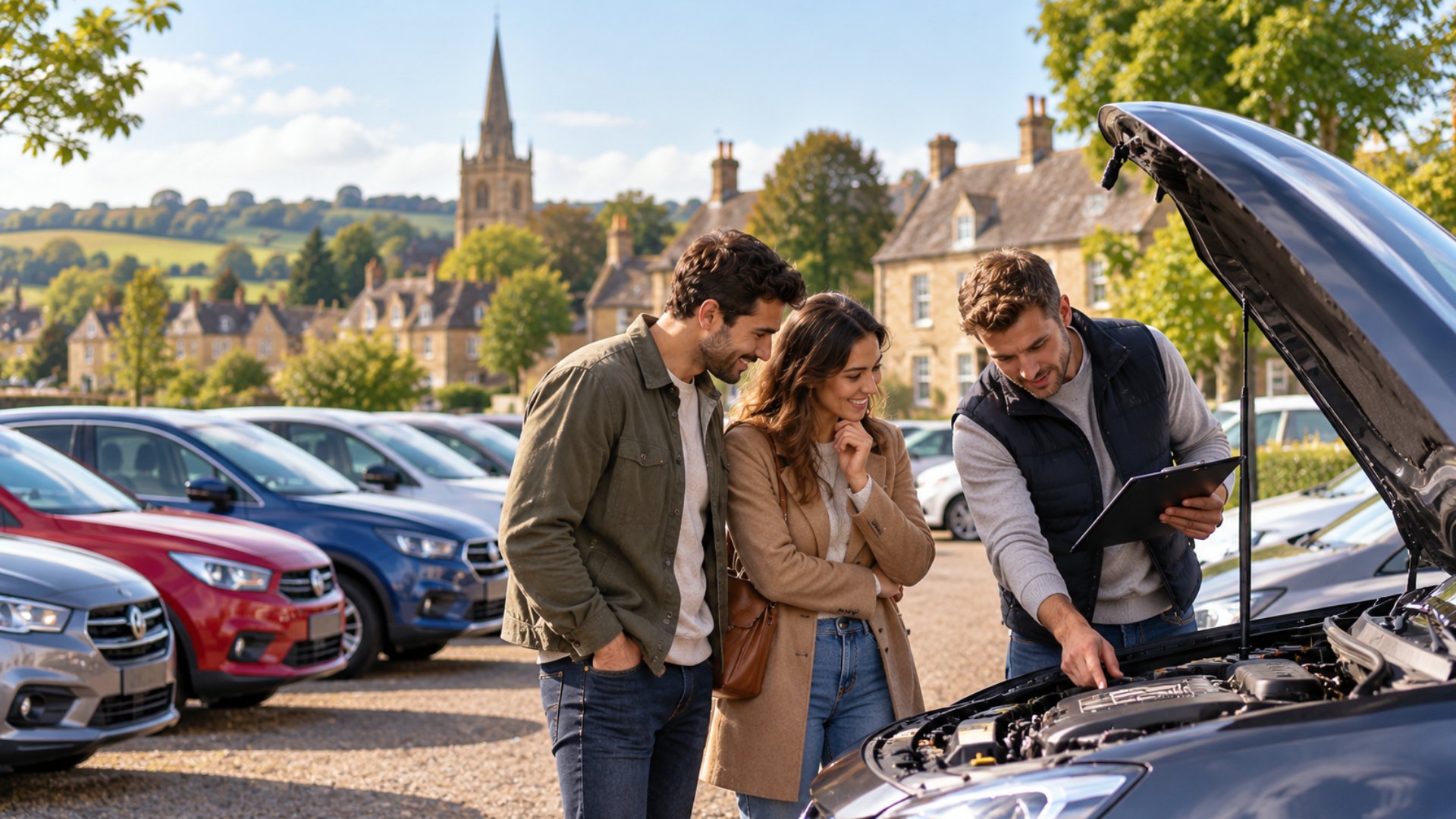
Whenever possible, arrange to see the car in person and inspect it in good daylight. Look for visible bodywork damage, rust, uneven tyre wear and signs of previous repairs.
Check the interior, seatbelts, lights, windows, air conditioning and dashboard controls. Look for warning lights and ask the seller about any known faults.
A test drive is also important. Make sure you are appropriately insured before driving the vehicle, and pay attention to the steering, brakes, gearbox, engine performance and any unusual noises.
If you are uncertain about the mechanical condition, consider an independent inspection by a qualified mechanic. This can provide additional information before you commit to the purchase.
6. Review the Paperwork Carefully
Vehicle documents help you verify the car's identity and understand its history. Ask to see the V5C registration certificate, commonly called the logbook, and check that its details match the vehicle.
Pay particular attention to the vehicle identification number (VIN). It should correspond with the information recorded in the documentation.
You should also review the available service history, MOT records and repair invoices. Ask the seller to explain any missing documents or inconsistencies.
Before paying, make sure you understand the final price, payment arrangements and any written terms relating to the sale. If the seller offers a warranty or after-sales support, check exactly what it covers and whether any exclusions apply.
7. Understand Your Buying Rights
Your rights can depend on whether you buy from a motor trader or a private seller. When purchasing from a trader, the vehicle must meet the applicable consumer protection requirements, including being as described and of satisfactory quality, subject to the relevant legal circumstances.
Private purchases generally offer different protections, so it is important to understand who you are buying from before agreeing to the sale.
Read the terms carefully and keep copies of the advertisement, invoice, payment confirmation and any written promises made by the seller.
For further information, consult Citizens Advice guidance on buying a used car.
8. Complete the Purchase Properly
Once you are satisfied with the vehicle, its condition and the paperwork, confirm the final terms with the seller.
Before completing payment, make sure you have agreed on the purchase price, understand any additional charges and know what documentation you will receive. Use a traceable payment method and retain the transaction records.
After buying the car, arrange the necessary vehicle registration steps, tax and insurance. You must have appropriate insurance before driving the vehicle on public roads.
Taking care of these practical details helps ensure that the transition to owning your new vehicle is straightforward.
Final Thoughts
Buying a used car involves several decisions, but following a clear process can make the experience more manageable. Start with a realistic budget, identify the type of vehicle you need, compare prices and check the car's history before committing.
If you want to buy used cars in Northamptonshire, take the time to inspect your shortlisted vehicles, verify their documentation and understand the seller's terms. A careful approach can help you find a car that meets your requirements while reducing the risk of unexpected costs.

Sep
Buying a used car can be a practical way to find a vehicle that suits your budget and everyday needs. However, before choosing from the available used cars in Northamptonshire, it is important to look beyond the price, mileage and appearance. Checking the car’s history, mechanical condition and paperwork can help you make a more informed decision.
Whether you need a car for daily commuting, family journeys or occasional travel, here are the key things to check before making a purchase.
1. Check the Car’s Service History
A car’s service history can tell you how well it has been maintained. Ask the seller for service records, invoices and details of any major repairs.
Look for evidence of routine maintenance, including oil changes, brake inspections and other servicing recommended by the manufacturer. If the car has had significant repairs, ask what work was completed and whether supporting documents are available.
A complete service history does not guarantee that a vehicle is problem-free, but it can help you understand how it has been cared for.
2. Review the MOT History
For cars in the UK that require an MOT, checking previous test results can reveal useful information about their condition. Review past failures, advisories and mileage records to identify recurring issues or areas that may need attention.
You can check a vehicle’s MOT history through the official GOV.UK service: Check the MOT history of a vehicle.
Pay attention to repeated advisories involving tyres, brakes, suspension or corrosion. These findings may help you estimate potential maintenance costs before buying the vehicle.
Remember that a valid MOT certificate does not guarantee that a car is mechanically sound today.
3. Inspect the Exterior and Interior
A visual inspection can help you spot signs of damage, wear or poor maintenance. Examine the bodywork in good daylight and look for dents, scratches, rust and differences in paint colour that could indicate previous repairs.
Check the following areas:
- ✓ Tyres: Look for uneven wear, visible damage and adequate tread.
- ✓ Lights: Test the headlights, brake lights, indicators and other exterior lights.
- ✓ Windows and mirrors: Check for cracks, chips and damaged mirrors.
- ✓ Interior: Inspect the seats, seatbelts, dashboard, controls and upholstery.
- ✓ Boot and engine bay: Look for unusual damage, loose components or signs of fluid leaks.
Small cosmetic imperfections may be expected in a used vehicle. More significant damage, unexplained warning lights or evidence of poor repairs deserve closer attention.
4. Verify the Mileage and Vehicle History
Mileage can help indicate how much a car has been driven, but it should not be the only factor in your decision. A higher-mileage vehicle with consistent maintenance may be a better choice than a lower-mileage car with an unclear history.
Compare the displayed mileage with previous MOT records and available service documents. Investigate any unexplained discrepancies.
You should also check the vehicle registration details, make and model against the documents provided. Consider an independent vehicle history check to establish whether the car has outstanding finance, has been reported stolen, or has a recorded write-off history.
If anything does not match, ask the seller for an explanation before proceeding.
5. Take the Car for a Test Drive
A test drive helps you assess how the vehicle performs under real driving conditions. Arrange this with the seller and make sure the car is insured appropriately for the drive.
During the test, pay attention to:
- ✓ How easily the engine starts, particularly when cold.
- ✓ Whether the steering feels stable and responsive.
- ✓ Any unusual engine, brake or suspension noises.
- ✓ Whether the brakes operate smoothly.
- ✓ How the gearbox changes gears.
- ✓ Whether dashboard warning lights remain illuminated.
- ✓ Whether the air conditioning and other essential controls work.
If you notice unusual vibrations, pulling to one side, smoke or warning lights, ask for the issue to be investigated. If you are unsure about the car’s condition, arrange an independent inspection by a qualified mechanic.
6. Understand the Total Cost of Ownership
The purchase price is only one part of owning a car. Before committing, consider the ongoing costs that may affect your budget.
- ✓ Vehicle insurance.
- ✓ Vehicle tax.
- ✓ Fuel or charging costs.
- ✓ Routine servicing and maintenance.
- ✓ Replacement tyres and other wear-and-tear items.
- ✓ Potential repairs and breakdown cover.
If you are comparing several used cars in Northamptonshire, estimate these costs alongside the asking price. A vehicle that costs less upfront may be more expensive to maintain, while a slightly higher-priced option may better suit your needs.
7. Check the Paperwork Before Paying
Before completing the purchase, make sure the seller can provide the relevant vehicle documents and explain the ownership and payment process clearly.
Check the V5C registration certificate details and confirm that the vehicle identification number (VIN) matches the car. Review any available service records, MOT information and repair invoices.
Clarify the final price, any additional charges, the payment method and what happens if an issue is identified before the sale is completed. If buying from a dealer, ask about any warranty or after-sales support and get the terms in writing rather than assuming they are included.
Avoid rushing into a payment if the documentation is incomplete or the seller pressures you to decide immediately.
8. Choose a Car That Fits Your Needs
The right used car depends on how you intend to use it. A compact car may suit town driving and parking, while a larger vehicle could be more practical for family journeys or carrying equipment.
Before making a shortlist, consider your usual journey length, passenger and storage requirements, fuel economy, parking arrangements and budget.
When exploring CarsRent2Buy, take time to compare the vehicles available and ask for any additional information you need before arranging a viewing. Confirm the specific vehicle’s condition, documentation and terms directly with the seller.
Final Thoughts
Buying a used car requires more than finding an attractive price. Reviewing the service history, checking MOT records, inspecting the vehicle, taking a test drive and verifying the paperwork can help you avoid preventable surprises.
If you are looking at used cars in Northamptonshire, compare your options carefully and do not hesitate to request an independent inspection when something is unclear. A little preparation before buying can help you choose a vehicle that better matches your requirements and budget.