Nov
En muchos casinos online, las novedades se mezclan con el resto del catálogo, así que encontrar un lanzamiento reciente puede llevar un rato. En Topacio Bet casino Argentina, revisá el lobby y buscá secciones como “Nuevos” o “Últimos lanzamientos”, si están disponibles. La organización puede cambiar, por eso conviene explorar las categorías y usar los filtros que aparezcan.
Antes de elegir, mirá algunos datos del juego. El RTP es una estimación teórica del retorno al jugador a largo plazo; no predice cuánto vas a ganar en una sesión. La volatilidad indica cómo suelen distribuirse los premios: una volatilidad alta puede implicar resultados menos frecuentes y más variables, mientras que una baja suele asociarse con premios más chicos y frecuentes. Ninguna de las dos garantiza un resultado.
Las funciones especiales pueden incluir rondas gratis, comodines, multiplicadores o juegos de bonificación. Leé las reglas para entender cómo se activan y qué condiciones tienen. Para probar un slot con criterio:
- Revisá las reglas, el RTP y la volatilidad.
- Si hay modo de demostración, usalo para conocer la dinámica.
- Definí un presupuesto y un límite de tiempo antes de jugar; no persigas pérdidas.
Los detalles pueden variar entre juegos y condiciones del casino. Consultá la información disponible en el lobby y jugá solo por entretenimiento.
Nov
What to Check When Looking at Second-Hand Cars Before Buying
A used car can be a smart choice if you want a vehicle for daily life without paying for a brand-new one. Still, finding the right car is not just about a few photos or picking the lowest advert price. Two cars with the same make and model can have very different pasts, wear, and costs to run.
If you are browsing Second Hand Cars Northampton or checking options in Towcester, it helps to know what to look for. Below are key points to review before you commit.
1. Match the Price to the Car’s Real Condition
Price often grabs attention first, but it should not be the only factor. A car listed cheaply may need new tyres, repairs, or servicing that will add to the final spend.
When you compare Used Cars Northampton, try to look at cars with close age, similar mileage, matching features, and the same engine type. That way, you get a clearer view of whether the price fits the car.
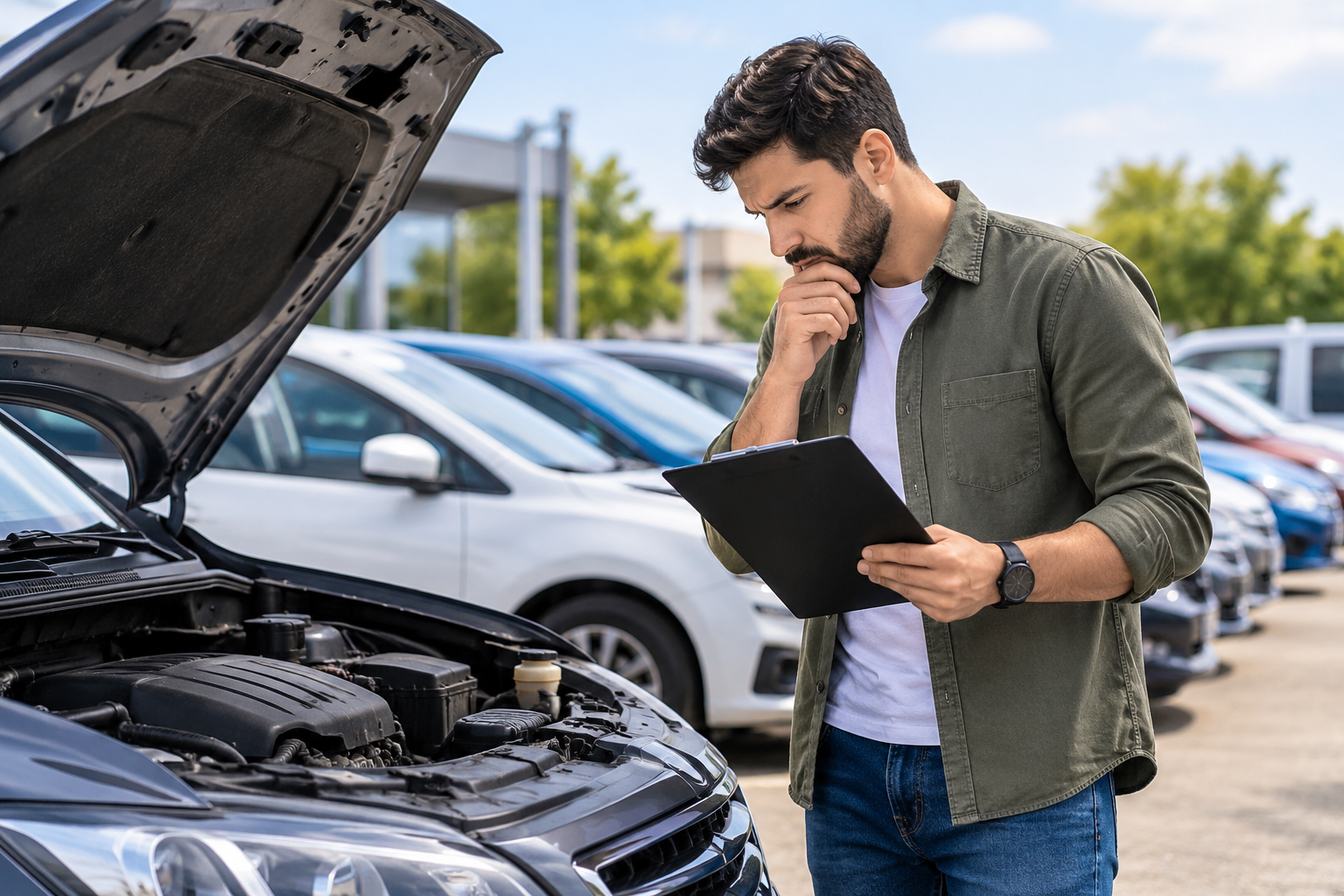
Check the bodywork, the inside, and the tyres. Light marks and normal wear are common on second-hand cars. Bigger issues, rough repairs, or clear signs of poor care should be checked more closely.
Also ask if any recent work has been done. If the seller can show proof of servicing and newer parts, it can be a better deal than a cheaper car with no clear records.
2. Review Mileage and the Service Papers
Mileage can show how much use the car has had. But it should not be read alone. Age and maintenance matter just as much.
A car with higher mileage is not always a bad buy. If it has been serviced on time and cared for, it can still stay dependable. On the other hand, a low-mileage car that sat unused for long stretches can have problems that are not obvious at first.
Ask to see the service history and check that routine work was done at the right times. Look for entries about oil changes, brake work, tyre updates, and other major repairs.
You should also check the MOT record on the official GOV. UK site. Past advisories and repeated notes can point to areas you may need to deal with soon.
When you compare Used Cars Towcester, these steps can help you see past the headline numbers and judge how well each car has been maintained.
3. Check the Interior and Exterior Closely
Photographs help you narrow things down, but you still need to see the car yourself before you buy it.
Start outside. Check the body for dents, scratches, rust, odd paint tone, and uneven panel gaps. Small marks can come from normal use. At the same time, they might point to repairs or earlier accident work.
Next, look inside. Inspect the seat wear, the dashboard condition, the carpets, and the steering wheel. If the inside looks too tired for the stated age or the listed mileage, ask why.
Then move to smaller items. Test the air conditioning, power windows, central locking, headlights and taillights, the infotainment screen, and the parking sensors if the car has them. Costs can add up fast when these parts fail.
If something seems wrong or acts strange, ask if it can be checked first. Do this before you pay for the car.
4. Take the Car for a Proper Test Drive
A test drive lets you learn how the car behaves in real use. You get more than what you notice while it is parked.
Watch the start. See how the car picks up speed. Make sure braking feels right when you press the pedal. Also listen for odd sounds from the engine, the suspension, or the wheels. Check that the steering stays steady.
Where you can, drive on more than one road type. Slow driving can show clutch or gearbox problems. A longer trip can help you judge comfort, steering feel, and how the engine holds up.
If you are comparing several Second Hand Cars Northampton, testing each one can show gaps you would miss in online photos.
Do not let anyone rush you into a decision right after the viewing. If you have worries, take time to resolve them. You can also arrange an independent check.
5. Check the Vehicle's History and Documentation
Before you commit, confirm the vehicle details and the paperwork are correct.
Make sure the registration number, VIN, and the information on the V5C match the car in front of you. You should also run a vehicle history check. This can reveal unpaid finance, theft markers, write-off details, and other risks.
Ask how many previous owners there were. Also ask if it was used at home or for work. These answers can help explain the car’s background.
A clear and open seller should share vehicle information and answer sensible questions about prior history.
6. Consider Running Costs Before Making Your Choice
A car that fits your purchase price might cost more to keep once you start driving it.
Insurance, fuel use, road tax, servicing, and parts can change a lot by model. A bigger engine may feel stronger, but it can also mean higher fuel bills and higher insurance costs.
Think about how you normally drive. If you mostly do work trips and quick errands, a smaller, cheaper-to-run car could fit better than a big one. If you have a family, you may want more room for passengers and bags. If you cover longer routes often, you might care most about ride comfort and steady fuel use.
If you are checking a vehicle at a Used Car Dealer Northampton, get the details you need to judge the spec and the likely running costs. Do not focus only on the price you pay at the start. Look at the bigger picture before you decide.
Finding the Right Second-Hand Car
Picking a used car gets simpler when you plan with a checklist. Start by comparing prices in a fair way. Then look over the service record. After that, check for wear and general condition. Book a test drive and confirm that the paperwork matches what you expect.
Searching for Used Cars Northampton, or looking near Towcester, Cars Rent2Buy has options listed in a Buy Now section. They also have Rent 2 Buy choices. You can view current stock online, look at the different models, and reach out to the team if you have questions.
A good second-hand car is not always the lowest priced one. It is the car that works best for your day-to-day needs, with a good mix of condition, usefulness, dependability, and overall value.

Oct
What to Think About When You Compare Rent-to-Buy and Used Cars
Picking your next car is not only about choosing a make and model. You also need to decide how you will pay, and what plan fits your money situation. Some people prefer to buy a used car and be done with it. Others want a payment plan that moves them toward owning the car later.
Both choices can work. The best fit depends on what you can pay, how much you drive, and what you personally prefer. If you are looking at rent-to-buy deals or you are weighing a used-car purchase, it helps to know the real differences first.
Rent-to-Buy vs Buying a Used Car: The Core Gap
The big difference is how you get the car and when ownership becomes yours.
If you buy a used car in a normal way, you pay the agreed amount up front, or you use another accepted payment method. After the sale is complete, you usually own the vehicle, though finance terms or legal rules can still apply. Then you handle day to day costs like upkeep, servicing, and repairs. You can also sell the car when you want.
With rent-to-buy, you pay instalments under a contract. In return, you get the use of the vehicle and a path to owning it later, based on what is written in your agreement. The payment plan, how long the deal lasts, who does what, and the ownership rules can differ by provider.
No one option is best for every driver. If you have savings and you want the car right away, buying may feel simpler. If you like lower payments each week or month and you do not want to pay the full price at once, rent-to-buy may suit you more.
Before you commit, take time to read the exact agreement. Go over it line by line and ask questions if anything is unclear.
Look at the Full Cost, Not Only the First Number
Cost often comes up first, but only comparing the upfront price or the weekly amount can hide the full picture.
With a used car bought outright, you should add more than the purchase price. Think about insurance, fuel, road tax, servicing, tyres, and any likely repairs. If you use finance, include interest and any extra fees too.
For rent-to-buy in Northamptonshire, ask for a full summary of what you will pay across the entire contract. Find out if there is a first payment. Also check for any extra charges. Then ask what happens if you want to stop the agreement early.
Do the sums for the total amount you would pay over the time you expect to keep the car. A smaller weekly figure may still lead to a higher total at the end.
Set a budget you can stick to before you start looking at cars. It helps you avoid pushing your finances too far. Also keep a little extra set aside for costs you did not plan for. This is even more important when the car is used.
Finding the Right Used Car in Northamptonshire
If you are searching for used cars in Northamptonshire, you will want to match price with real world factors like condition and everyday use. A low asking price can look good at first. Still, what the car has cost to maintain, and what you should expect to pay to run it, matters a lot.
Think about your own routine. A small hatchback may suit short trips and commuting. A bigger vehicle may work better for family travel or when you often carry bags. You should also look at fuel use, insurance prices, how many miles it has done, and whether parts are easy to find.
Check the service records and MOT documents when they apply. Look closely for signs of damage, plus any heavy wear. Then book a test drive before you decide. If something feels unclear, it can help to get a qualified mechanic to inspect it.
When you compare cars from different sellers, do not focus on the headline figure only. Look at what details are shared about the car. Ask questions about its past, and read the sale terms so you know what you are agreeing to.
With these steps, you can find a car that fits your daily needs and feels like fair value.
Why Local Options Matter When Looking for Used Cars Towcester
Searching for Used Cars Towcester can be a good starting point, especially if you want options close by. If you can view the car locally, it may be easier to arrange an inspection. You can also ask questions in person and take a test drive without too much trouble.
That said, do not make location the only factor. A car from farther away may still be worth your time. The reason could be better value, a clearer service history, or a spec that matches what you need more closely.
If you are looking at Rent to Buy compared with buying normally, check what is offered under each route. Some cars might be for purchase directly. Others might be linked to an agreement. Make sure you understand the payment setup and what is actually available before you plan any viewing.
Cars Rent2Buy provides Rent 2 Buy options as well as cars that can be bought outright through its Buy Now choice. Looking at both routes can help you judge the cars and payment options before you commit.
Consider Flexibility, Ownership and Your Future Plans
Your situation now matters. It can also help to think about what you may want from the car later.
If you would rather own the car outright, a standard used car purchase can give you straightforward control. In many cases, you can choose when you sell or replace the vehicle. This is usually based on any finance terms or legal conditions you are under.
A Rent 2 Buy deal comes with specific rules. Before you sign anything, check when the car changes to your name. Also ask what occurs if a payment is late or missed. Confirm if there are limits on mileage. Finally, review what you must do for servicing and repairs.
Next, think about your plans. How long do you expect to use the car? Will your income or spending power stay steady during the whole agreement? If you know these points, you can judge whether this type of deal fits your situation.
Which Option Works Best?
There is not one option for everyone. If you can pay upfront, a traditional used-car purchase could suit you. If you want set payments and you are comfortable with the terms, Rent to Buy may be a better match to look into.
Try to compare the options fairly. Look at the car’s condition. Check the full amount you will pay. Also review the day-to-day running costs. Make sure you understand who handles what, under each plan.
If you want a new vehicle, browse the choices from Cars Rent 2 Buy. Look at both the Rent 2 Buy and the Buy Now options. Take your time to ask questions, read the agreement, and pick a car that fits how you drive and what you can afford.

Oct
What Buyers Should Know About Choosing a Rent-to-Buy Car
Getting a car can make everyday life much easier, whether you need it for commuting, family commitments or simply having more freedom to travel. However, buying a vehicle outright isn't always the most convenient option, and traditional car finance may not suit everyone's circumstances. This is one reason why more drivers explore alternative ways to get behind the wheel.
Rent to Buy offers another option worth considering. It allows customers to use a vehicle while making payments under an agreed arrangement, with a route towards ownership according to the contract terms. If you're researching Rent to Buy Cars, understanding how the process works and what to check before committing can help you make a more informed decision.
Understand How Rent to Buy Works
Before choosing a vehicle, take the time to understand the Rent to Buy arrangement being offered. While the general idea involves making regular payments towards a vehicle, the precise terms can differ between providers and agreements.
Ask how often payments are due, how long the agreement lasts, what happens if your circumstances change and when ownership transfers to you. It is also important to understand whether any initial payment is required and whether additional fees apply.
If you're exploring Rent 2 Buy Cars, don't assume every arrangement works in exactly the same way. Read the agreement carefully and ask the provider to explain anything that is unclear. Knowing your responsibilities from the beginning can help prevent unexpected costs or misunderstandings later.
A reputable provider should be able to explain the process clearly and give you enough information to decide whether the arrangement fits your needs.
Choose a Car That Suits Your Everyday Life
It can be tempting to focus on the appearance of a car or choose a particular model simply because you like it. However, practicality should play a major role in your decision.
Think about how you will use the vehicle most often. If you commute regularly, fuel economy and comfort may be important. Families might need additional passenger space and a larger boot, while drivers who mainly travel around town may prefer a smaller car that is easier to park.
Consider the vehicle's age, mileage, condition and specification as well. Check the available service history and MOT records, where applicable, and arrange a suitable inspection or test drive before committing.
When comparing Rent to Buy Cars Northampton, for example, it is worth looking beyond the weekly payment and considering whether the vehicle will remain suitable for your needs over the length of the agreement.
Look Beyond the Weekly Payment
Weekly payments can make a vehicle's cost easier to understand, but the payment amount alone doesn't tell you whether an arrangement represents good value.
Ask for a clear breakdown of the total amount payable over the agreement. Check whether there are any upfront charges, administration fees or additional costs, and establish what is included in the arrangement.
You should also budget for expenses that may sit outside the agreement, such as fuel, insurance, road tax, servicing, tyres and repairs. These costs can vary significantly depending on the vehicle and your driving habits.
Before proceeding, work out how the payments and running costs fit into your regular budget. It is sensible to leave some room for unexpected expenses rather than committing all your available money to the vehicle.
Comparing the overall cost of different options will help you decide whether Rent to Buy is a practical choice for your circumstances.
Check the Agreement and Ownership Terms
One of the most important things to understand is exactly how ownership works. Don't rely on assumptions or verbal explanations when the written agreement sets out the actual terms.
Find out when ownership transfers, what conditions must be met and what happens if you miss a payment or want to end the agreement early. Ask whether there are mileage restrictions, maintenance requirements or rules about returning the vehicle.
It is also worth checking who is responsible for repairs, servicing and other obligations during the agreement. These details can affect both the cost and convenience of having the car.
If anything is unclear, request an explanation before signing. Taking time to understand the terms is much better than discovering an unexpected condition after you've committed.
Exploring Rent 2 Buy Cars in Northampton
For drivers looking for an alternative way to access a vehicle, local providers can be a useful starting point. Customers searching for Rent 2 Buy Cars Northampton can explore available vehicles and compare their options before deciding which arrangement is suitable.
Cars Rent2Buy offers Rent 2 Buy options alongside vehicles available to purchase outright through its Buy Now selection. This gives customers an opportunity to consider different approaches depending on their budget and preferences.
If you're based in Northampton, you can browse the available stock online and contact the team to ask about a particular vehicle, payment arrangements and the applicable agreement terms. As vehicle availability changes, checking the latest listings is a practical way to see which options are currently offered.
Whether you're considering Rent to Buy Cars Northampton or looking at alternatives in the surrounding area, take time to compare the vehicle, total costs and contractual obligations rather than choosing on price alone.
Make a Decision That Works for You
Rent to Buy can provide an alternative route towards vehicle ownership, but the right choice depends on your budget, driving needs and the terms available. Understanding the agreement, checking the vehicle's condition and calculating the full cost can help you approach the decision with greater confidence.
Before committing, compare the available options, ask questions and make sure you are comfortable with the payment schedule and ownership conditions.
If you're considering Rent 2 Buy, explore the vehicles available from Cars Rent 2 Buy and speak to the team about your requirements. With the right information, you can decide whether a Rent 2 Buy arrangement or an outright purchase is the better fit for your circumstances.
Oct
Mileage can fit the car’s age, but do not stop there. Ask how it was used before. A car that mainly did long motorway runs can show wear in a different way than one that spent lots of time on short city drives.
When you look at used cars in Towcester, treat mileage and price as a pair. Also check maintenance records and the general state of the car. Put all of that together to judge the vehicle more fairly.
1. Look Closely at the Condition
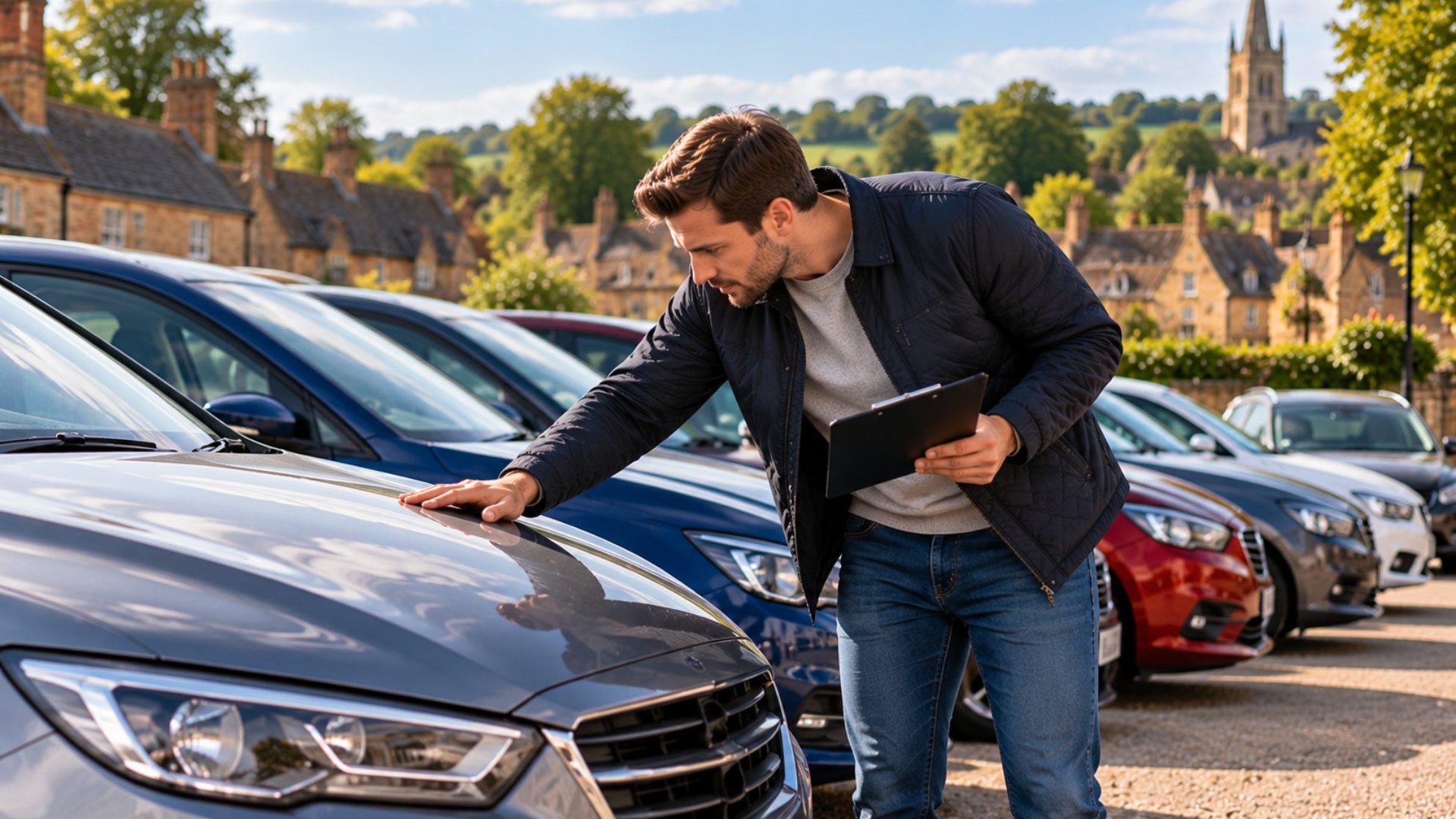
Good photos can narrow things down, but you still need to see the car in person. Walk around the car and check for scratches, dents, patchy paint, and rust. Look at the tyres too. Uneven tread and visible damage are key. Then check inside. Watch for worn seats, a tired steering wheel, and rough pedals.
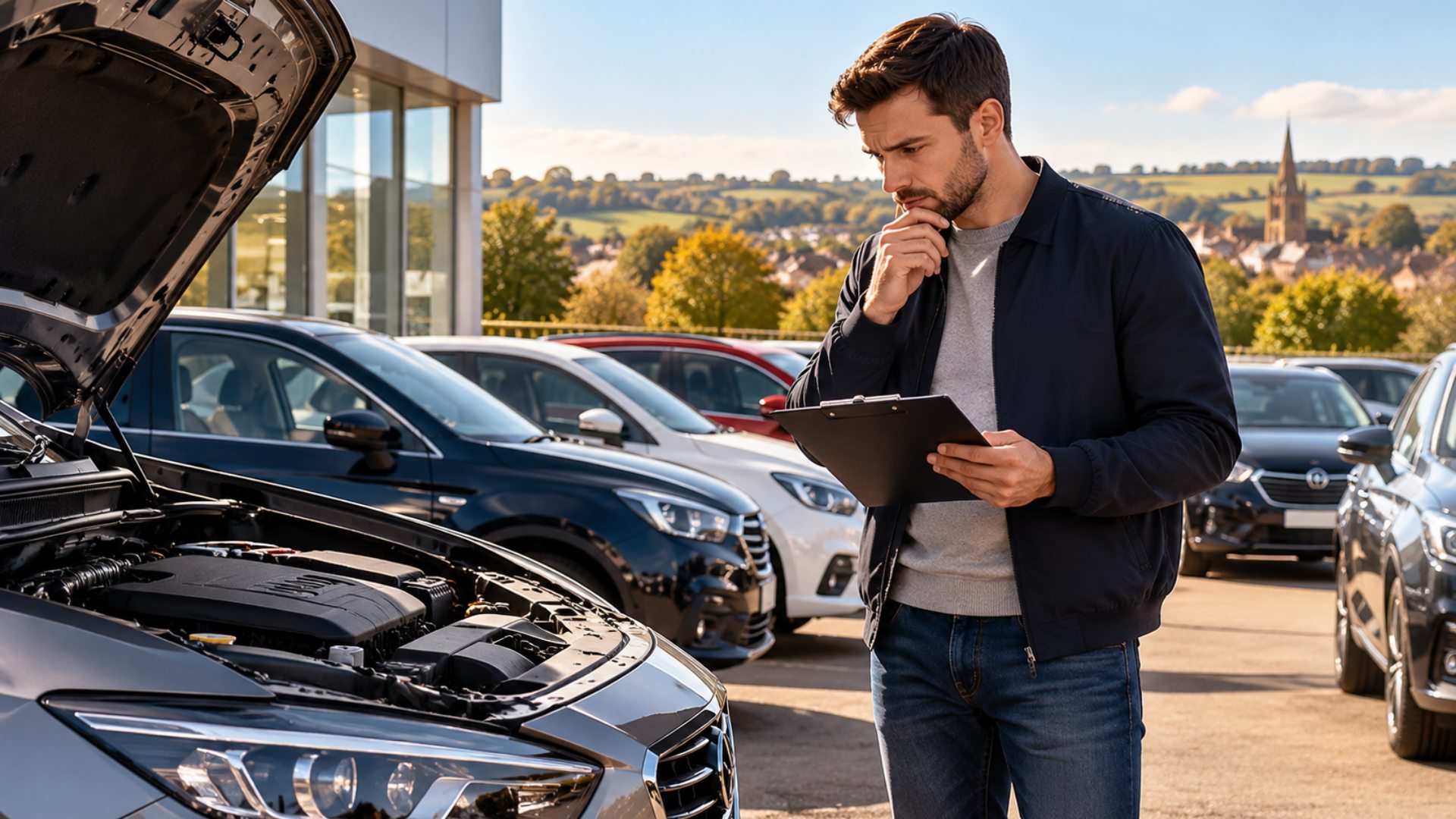
Under the bonnet, scan for leaks and signs that the car was ignored. Do not try to fix things on the spot. Make sure key items work, like the lights, windows, air conditioning, and other electrics.
Take the car for a test drive. Problems sometimes show up only when it is moving. Listen for odd sounds. Try braking and steering at safe speeds. Notice how the car picks up speed. If it feels off, stop and ask questions before you go further.
2. Review the Service History and MOT
A clear service record can tell you a lot. Ask if the car was serviced on a regular schedule. Check for invoices or written proof of work done, especially for bigger repairs.
You should also check MOT history, if it applies. Look for past advisories and any repeats. In the UK, you can use the online MOT history service to view test results and recorded mileage.
If you are comparing second hand cars in Northampton, also check the registration details. You may want an independent vehicle history check too. That can surface issues like finance still owed, accident damage that was logged, or odd gaps in the vehicle record.
If paperwork looks wrong or does not match the car, ask the seller to explain. Trust should not be assumed.
3. Compare the Total Value, Not Just the Price
Two cars that look alike can cost very different amounts in real value. One car might be cheaper, but you could soon need new tyres or near term servicing. Another might cost a bit more at first, yet have a stronger service record.
Compare cars in the same way: make, model, age, mileage, trim, and condition. Also confirm what comes with the sale. Ask what warranty is offered and whether any after sales support is included.
When choosing a used car dealer in Towcester, look for clear vehicle details and plain answers. Terms should be easy to understand. If a seller will walk you through the car’s history and condition, the whole process feels simpler.
4. Think About Running Costs and Practicality
Before you commit, look up likely insurance costs, fuel use, road tax, and servicing costs. Some cars are not too expensive to buy but end up costing more to keep running.
Think about where you will park, how many people you usually take with you, and if you need help like rear parking sensors. Also consider whether you need more boot space. These little points matter once you use the car every day.
Next, look at the fuel type and see if it matches the trips you make most often. A car that fits your routine can stop you from paying extra costs later.
Find the Right Used Car for Your Needs
Picking a used car does not need to feel hard. Start with a budget you can live with. Then check the mileage and the service record. Have a good look at the car’s condition. Also think about what it may cost after you buy it. Do this and your choice will be steadier.
If you are looking at used cars in Towcester, or browsing options around Northampton, Cars Rent 2 Buy has vehicles you can look through. Review the current listings, compare the ones you like, and ask any questions you have before you commit.
The best used car is not always the newest or the lowest price. It is the one that suits your needs in terms of condition, everyday use, running costs, and value.
Oct
Buying a second-hand car is often a practical way to get a dependable vehicle for less money than a new one. You might be shopping for a family option, a car for commuting, or something that only sees use on weekends. Even so, it helps to think through a few key points before you hand over your cash. Look at the car’s condition, check the background details, and estimate the real running costs. If you are researching used cars in Northamptonshire, these steps make it easier to compare choices and stick to what you can afford.
1. Set a Budget You Can Stick To
Before you go to a showroom or scroll through ads, decide on a clear limit. Keep in mind that the asking price is not the full picture. Ongoing costs matter too, like insurance, road tax, fuel, servicing, MOT tests, and repairs you might not plan for.
If you plan to use finance, work out what you will pay each month. Also check the full figure for the whole term. Do not force your budget just to reach a higher trim with extra features. A car that has been looked after and fits your day-to-day needs can be a smarter pick than a pricier model with options you rarely use.
2. Verify the Vehicle History
The car’s past can point to issues you might miss at first glance. Use the registration number to order a vehicle history report. Check for finance still owing, mismatched mileage, theft markers, and whether the car was ever written off.
You should also review the service records. These notes can show how often the car was maintained and whether the work was done on time. MOT history and service invoices can highlight repeated problems, advisory entries, and long gaps in maintenance.
When you look at Used Cars Northamptonshire listings, do not only accept what the seller writes. Cross-check details on your own and ask questions if anything seems off.
3. Inspect the Car Carefully
A good inspection can uncover problems before you commit. Start with the body. Watch for dents, chips, scratches, signs of rust, and paint that does not look even. Those things can suggest earlier repairs. Then check the tyres for good tread, uneven wear, and any visible cuts or damage.
Next, move inside. Examine the seats, steering wheel and dashboard, test the controls, and check the air conditioning. Make sure the infotainment screen responds as it should. Test windows, lights, mirrors, and other electrical items. Also look for damp patches, odd smells, or heavy wear that does not fit the stated mileage.
If you can, view the car in daylight and when the weather is dry. If the car is older or has high mileage, consider booking an independent check with a qualified mechanic.
4. Check Mileage and MOT Status
Mileage can give clues about how much a car has been driven. Still, it should not be your only guide. A vehicle with higher miles and good service records can be a smarter buy than a lower-mile car that was poorly looked after.
Check the MOT status using the official UK MOT history site. Go through earlier test notes and look for the same problems showing up again. Focus on brakes, suspension, tyres, and signs of corrosion.
Also remember this: a current MOT pass does not mean the car is fully healthy. Use the MOT file, a quick hands-on inspection, and the service history together so you can judge the car more fairly.
5. Take a Proper Test Drive
A test drive helps you see how the car behaves on real roads. Start it up and listen closely. Note any odd rattles or knocks. Turn the wheel and feel how the steering responds. Press the brake pedal and make sure it feels steady. Shift through the gears and check the clutch action.
While you drive, watch the dashboard for warning lights. Notice any shaking through the steering wheel or seat. Look at exhaust output too, especially if it seems unusual. If the car drifts or pulls to one side, stop and check it.
Drive on safe roads at different speeds if you can. Try conditions that match your normal trips. If you are aiming to buy used cars in Northamptonshire, this part matters because it shows whether the car is truly comfortable for everyday use.
6. Pick a Trusted Used Car Dealer
The person you buy from affects the whole process. Choose a dealer that lists details clearly. Check that the price is laid out openly. Look for service records and answers that make sense.
A reputable used car dealer in Northamptonshire should let you look at the key documents. They should also explain what they know about the car. Ask if any warranty is included. Find out what it covers, and if there are limits or items left out.
If you go through a dealer, read the paperwork with care. Know what your consumer rights are. Do not hand over a deposit right away if it feels rushed. Be alert if the deal sounds too good to ignore.
7. Look at Nearby Options and Finish the Forms
It helps to compare cars from more than one area. For buyers searching for Used Cars Towcester, you can check nearby listings and also compare options in other parts of Northamptonshire. This can help you spot fair pricing and spot differences in spec and condition.
Before you pay, confirm the registration details. Match the registration number, VIN, and the facts on the V5C with the car in front of you. Verify the seller’s details, agree the final amount, and get a receipt. Arrange insurance before you drive off.
Make Your Next Used Car Purchase with Confidence
Picking a second-hand car is not just about spotting a good deal. You should look at the service and ownership history, check the body and interior closely, read the MOT reports, and drive it for yourself. Doing these steps lowers the risk of surprises and helps you feel sure about the choice.
If you are comparing cars for a family, looking for a low-cost drive to work, or browsing nearby sellers, research matters. Go slowly, ask questions that count, and put reliability and clear info above rushing into the sale.

Sep
Choosing a used car is about finding the right balance between price, reliability, comfort and running costs. Whether you need a vehicle for your daily commute, family travel or weekend journeys, taking time to compare your options can help you make a more confident decision.
If you are exploring used cars in Towcester, it is worth looking beyond the initial asking price. The car’s condition, maintenance history and suitability for your lifestyle are just as important. Here are some practical factors to consider before making your choice.
1. Start With Your Budget
Before browsing available cars, decide how much you can comfortably spend. Remember that the purchase price is only one part of the overall cost of ownership.
Consider your budget for:
- ✓ Vehicle insurance and road tax.
- ✓ Fuel or charging costs.
- ✓ Regular servicing and maintenance.
- ✓ Tyres and unexpected repairs.
- ✓ Breakdown cover, if required.
Setting a realistic budget will help you narrow down your options and avoid choosing a vehicle that becomes expensive to maintain.
2. Choose a Car That Suits Your Lifestyle
The right car depends on how you plan to use it. Think about your usual journeys, the number of passengers you carry and the amount of storage space you need.
For example, a compact hatchback may be suitable for everyday commuting and easier parking. A larger family car may provide additional passenger space, while an estate car could be useful if you regularly carry luggage or equipment.
If most of your driving involves short local journeys, consider ease of parking and fuel economy. For frequent motorway travel, comfort, engine performance and driving stability may be more important.
Making a list of your essential features before viewing vehicles can make the selection process easier.
3. Compare Mileage and Service History
Mileage is useful when comparing used cars, but it should not be the only factor influencing your decision. A vehicle with higher mileage and a consistent maintenance history may be a more sensible purchase than one with lower mileage and an unclear background.
Ask the seller about the car’s servicing schedule and look for supporting records, including invoices and details of major repairs.
It is also worth checking the vehicle’s MOT history through the official GOV.UK MOT history service. Previous test results can help you identify recurring issues and understand whether the recorded mileage is consistent.
If the available information raises questions, ask for clarification before proceeding.
4. Inspect the Car’s Condition
A thorough inspection can help you identify problems that may not be obvious in photographs or advertisements.
Check the exterior for scratches, dents, rust and signs of previous repairs. Examine the tyres for uneven wear and visible damage. Inside the car, test the seatbelts, windows, air conditioning, dashboard controls and other essential features.
If possible, inspect the engine bay for unusual leaks or damage. Pay attention to warning lights and ask the seller about any issues that have not been resolved.
For additional reassurance, consider arranging an independent inspection with a qualified mechanic before committing to the purchase.
5. Take a Test Drive
A test drive gives you an opportunity to assess how the car feels on the road. Arrange the drive with the seller and ensure the necessary insurance is in place.
During the drive, check whether the engine starts smoothly, the steering feels responsive and the brakes operate properly. Listen for unusual noises and notice any excessive vibration, hesitation or warning lights.
If you are considering an automatic vehicle, pay attention to how smoothly it changes gears. For a manual car, check that the clutch and gear changes feel normal.
Do not ignore concerns simply because the car looks good or is attractively priced. If something feels unusual, ask for it to be investigated.
6. Check the Vehicle’s Documents
Before purchasing a used car in Towcester, verify that the vehicle’s details match the documentation provided by the seller.
Check the V5C registration certificate and confirm that the vehicle identification number (VIN) matches the car. Review available service records, MOT information and repair invoices.
You may also wish to obtain a vehicle history check to investigate outstanding finance, reported theft or recorded insurance write-off history.
Make sure you understand the final purchase price, payment arrangements and any warranty or after-sales support offered. If you are buying through a dealer, ask for the relevant terms in writing.
7. Consider Fuel Economy and Running Costs
Two vehicles with similar purchase prices can have very different running costs. Fuel economy, insurance group, servicing requirements and replacement parts can all affect your long-term budget.
Petrol, diesel, hybrid and electric vehicles each have different advantages depending on your driving habits and access to charging facilities.
Consider the distance you typically travel, whether your journeys are mainly local or longer-distance, and how much you expect to spend on maintenance. Comparing these factors can help you identify a vehicle that suits both your requirements and your finances.
8. Compare Your Options Before Deciding
It is worth comparing several vehicles rather than choosing the first one that meets your basic requirements. Look at the condition, mileage, service history, features and overall cost of each option.
When exploring CarsRent2Buy, review the information available for the vehicles and contact the seller to clarify any details you cannot verify online. Confirm availability, vehicle condition and purchase terms directly before making a decision.
Taking a little extra time to compare your options can help you avoid rushing into a purchase that does not meet your needs.
Final Thoughts
Choosing the right used car involves more than finding an affordable vehicle. Your budget, driving habits, maintenance history, vehicle condition and ongoing running costs should all influence your decision.
If you are looking for used cars in Towcester, prepare a shortlist, inspect the vehicles carefully and verify the documentation before committing. A considered approach can help you find a car that fits your lifestyle and offers better value over time.

Sep
Buying a used car is a significant purchase, so choosing the right dealer is just as important as choosing the vehicle. A reliable dealer should provide clear information, answer your questions honestly and give you the opportunity to understand the car's condition and purchase terms before you commit.
If you are searching for a used car dealer in Northamptonshire, it is worth comparing more than just prices. The dealer's reputation, transparency, documentation and approach to customer service can all help you decide whether you feel comfortable proceeding with a purchase.
Here are the key factors to consider when choosing a used car dealer.
1. Research the Dealer's Reputation
Start by researching the dealer before arranging a viewing. Look for customer reviews across independent review platforms and pay attention to recurring comments about vehicle condition, communication, pricing and after-sales support.
One negative review does not necessarily tell the whole story. However, repeated complaints about undisclosed faults, unexpected charges or difficulties resolving problems deserve closer attention.
You can also check whether the business has a verifiable trading address and, where applicable, look up its company details through Companies House.
A little research can help you prepare useful questions and identify potential concerns before visiting a dealership.
2. Look for Clear and Honest Vehicle Information
A reliable dealer should provide information that allows you to understand what you are considering buying. This includes the vehicle's make, model, age, mileage, specification and asking price.
Ask whether the car has a documented service history and whether the dealer is aware of previous damage, repairs or outstanding mechanical issues.
The information in the advertisement should match the vehicle and its available documentation. If important details are missing or the answers you receive are inconsistent, ask for clarification before moving forward.
Avoid making a decision based solely on attractive photographs or a low advertised price. The quality and accuracy of the information matter just as much.
3. Compare Prices and Understand Additional Costs
Comparing prices across several dealers can help you understand whether a vehicle is competitively priced.
When comparing similar cars, consider their age, mileage, condition, specification and service history. Two vehicles of the same model may have different values because of their maintenance records or overall condition.
Ask the dealer to confirm the total amount payable and whether any additional charges apply. If finance, delivery, optional protection or other services are offered, make sure you understand their costs and terms before agreeing.
A clear breakdown of the price helps you compare offers fairly and avoid unexpected expenses later.
4. Check the Vehicles Available
A dealer's reputation matters, but every vehicle should still be assessed individually. Do not assume that a car is in excellent condition simply because it is being sold by a business.
Before buying, review the vehicle's MOT history, service records and available maintenance documents. You can use the official GOV.UK vehicle-checking service to check important details, including MOT information and safety recalls.
You should also consider a vehicle history check to investigate issues such as outstanding finance, recorded write-off history or mileage discrepancies.
Arrange an in-person inspection and test drive where possible. If you are uncertain about the car's mechanical condition, an independent inspection by a qualified mechanic can provide additional reassurance.
5. Ask About Warranties and After-Sales Support
Before purchasing, ask the dealer what support is available if a problem develops after the sale.
Some dealers may offer a warranty, but the coverage, duration, exclusions and claims process can vary. Ask for the relevant terms in writing and check whether important components are covered.
You should also clarify whom to contact if you have a concern after buying the car and what process the dealer follows when handling complaints.
Remember that a warranty is separate from your statutory consumer rights. When you buy from a trader, the vehicle must meet the applicable legal requirements, including being as described and of satisfactory quality. A warranty does not automatically replace those rights.
For additional information, consult Citizens Advice guidance on problems with a used car.
6. Pay Attention to Communication
The way a dealer communicates with you can help you assess how comfortable you feel dealing with the business.
A professional dealer should be willing to answer reasonable questions about the car, explain the purchase process and give you time to review the information provided.
Be cautious if you experience any of the following:
- ✓ Pressure to pay a deposit or make an immediate decision.
- ✓ Reluctance to provide vehicle documents or clarify discrepancies.
- ✓ Unclear explanations about the final price.
- ✓ Promises about repairs or services that are not confirmed in writing.
- ✓ Requests for payment through arrangements you cannot properly verify.
You should feel able to ask questions and make a decision without being rushed. If something does not add up, take time to investigate it or consider another vehicle.
7. Read the Terms Before Making a Payment
Before paying a deposit or completing a purchase, read the relevant documents carefully.
Confirm the vehicle details, agreed price, payment arrangements and any additional services included in the deal. If the dealer has agreed to carry out repairs or provide specific items before handover, request written confirmation.
Keep copies of the advertisement, invoice, payment receipt and any other relevant correspondence. These records can be useful if a disagreement arises later.
If you are considering buying remotely or arranging a purchase online, check the contract carefully and establish what cancellation rights apply to your specific transaction. Do not assume every purchase has identical terms.
Taking these precautions can help you understand your commitments before entering into an agreement.
8. Compare Dealers Before Making Your Final Choice
It is sensible to compare more than one dealer before making a decision. Look at the quality of the information provided, the condition of the vehicles, pricing transparency and the answers you receive to your questions.
If you are exploring CarsRent2Buy, review the information available on the website and contact the business directly to confirm its current vehicle listings, buying process and applicable terms.
Compare the details with other options you are considering, and verify any claims before committing to a purchase.
The aim is not simply to find the cheapest vehicle. It is to choose a seller and a car that meet your requirements, with clear information and terms you understand.
Final Thoughts
Choosing a reliable used car dealer takes a little research, but it can make the buying process more straightforward. Check the dealer's reputation, compare prices, review vehicle documentation and ask clear questions about warranties, additional charges and after-sales support.
When looking for a used car dealer in Northamptonshire, take your time and verify the information provided before making a payment. A careful decision can help you avoid unnecessary uncertainty and approach your next car purchase with greater confidence.
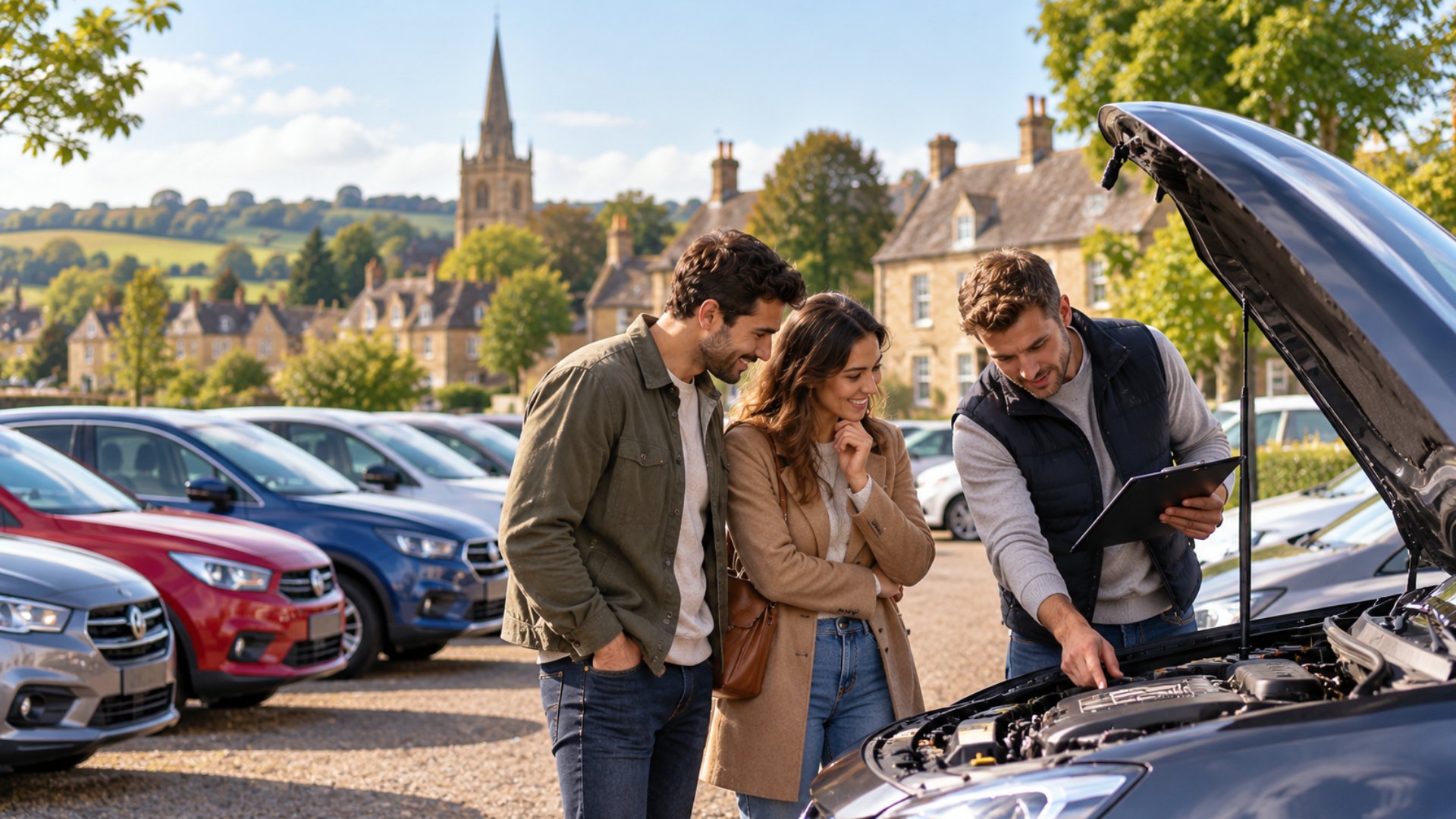
Sep
Buying a used car can be a sensible way to find a vehicle that suits your needs and budget. However, with different makes, models, mileages and price ranges to compare, knowing where to start can make the process much easier.
If you plan to buy used cars in Northamptonshire, it helps to approach the purchase step by step. From deciding how much to spend to checking a vehicle's history and reviewing the paperwork, a little preparation can help you make a more informed decision.
1. Set a Realistic Budget
Before looking at available vehicles, decide how much you can comfortably spend. Your budget should include more than the advertised purchase price.
Remember to account for:
- ✓ Insurance: Premiums vary depending on the vehicle, your driving history and other factors.
- ✓ Vehicle tax: Check the applicable rate for the car you intend to buy.
- ✓ Fuel or charging: Consider your usual journeys and expected running costs.
- ✓ Maintenance: Allow for servicing, tyres and routine repairs.
- ✓ Unexpected expenses: Keep some money available for unforeseen maintenance.
Setting a budget in advance helps you compare suitable vehicles without overlooking the ongoing costs of ownership.
2. Decide Which Type of Car You Need
The best car for you depends on your lifestyle and driving requirements. Before comparing listings, consider how you will use the vehicle most often.
A compact hatchback may be practical for commuting and everyday errands. A family car could provide more passenger space, while an estate or larger vehicle may be better suited to carrying luggage or equipment.
Think about the following questions:
- ✓ How many passengers will usually travel with you?
- ✓ Will you mainly drive locally or cover longer distances?
- ✓ Do you need a large boot or additional seating?
- ✓ Would a manual or automatic transmission suit you better?
- ✓ Is fuel economy a priority?
Having a clear idea of your requirements will help you narrow down the options and avoid paying for features you do not need.
3. Research Prices and Compare Vehicles
Once you know what you are looking for, compare similar vehicles across different listings. Consider the age, mileage, specification, condition and service history alongside the asking price.
A lower-priced car is not automatically the best value. It may require repairs or have a less complete maintenance history. Equally, a higher price does not guarantee better condition.
Look at several comparable vehicles before making a shortlist. If a particular car seems unusually cheap, ask why and investigate its history carefully.
When browsing CarsRent2Buy, review the available vehicle information and contact the seller if you need clarification. Confirm current availability, pricing and any purchase conditions directly before making a decision.
4. Check the Vehicle's History
Before arranging a purchase, ask for the registration number, make, model and relevant MOT details. Use these details to verify the information provided by the seller.
The official GOV.UK vehicle-checking guidance explains how to check a vehicle's details, MOT history and relevant safety recalls.
You should also consider obtaining a vehicle history report to investigate whether the car has outstanding finance, has been reported stolen or has a recorded insurance write-off history.
Review the service records and compare the mileage against previous MOT results. Any unexplained discrepancies should be investigated before you proceed.
These checks cannot guarantee that a vehicle has no problems, but they can help you identify issues that may otherwise be overlooked.
5. Inspect the Car and Take a Test Drive
Whenever possible, arrange to see the car in person and inspect it in good daylight. Look for visible bodywork damage, rust, uneven tyre wear and signs of previous repairs.
Check the interior, seatbelts, lights, windows, air conditioning and dashboard controls. Look for warning lights and ask the seller about any known faults.
A test drive is also important. Make sure you are appropriately insured before driving the vehicle, and pay attention to the steering, brakes, gearbox, engine performance and any unusual noises.
If you are uncertain about the mechanical condition, consider an independent inspection by a qualified mechanic. This can provide additional information before you commit to the purchase.
6. Review the Paperwork Carefully
Vehicle documents help you verify the car's identity and understand its history. Ask to see the V5C registration certificate, commonly called the logbook, and check that its details match the vehicle.
Pay particular attention to the vehicle identification number (VIN). It should correspond with the information recorded in the documentation.
You should also review the available service history, MOT records and repair invoices. Ask the seller to explain any missing documents or inconsistencies.
Before paying, make sure you understand the final price, payment arrangements and any written terms relating to the sale. If the seller offers a warranty or after-sales support, check exactly what it covers and whether any exclusions apply.
7. Understand Your Buying Rights
Your rights can depend on whether you buy from a motor trader or a private seller. When purchasing from a trader, the vehicle must meet the applicable consumer protection requirements, including being as described and of satisfactory quality, subject to the relevant legal circumstances.
Private purchases generally offer different protections, so it is important to understand who you are buying from before agreeing to the sale.
Read the terms carefully and keep copies of the advertisement, invoice, payment confirmation and any written promises made by the seller.
For further information, consult Citizens Advice guidance on buying a used car.
8. Complete the Purchase Properly
Once you are satisfied with the vehicle, its condition and the paperwork, confirm the final terms with the seller.
Before completing payment, make sure you have agreed on the purchase price, understand any additional charges and know what documentation you will receive. Use a traceable payment method and retain the transaction records.
After buying the car, arrange the necessary vehicle registration steps, tax and insurance. You must have appropriate insurance before driving the vehicle on public roads.
Taking care of these practical details helps ensure that the transition to owning your new vehicle is straightforward.
Final Thoughts
Buying a used car involves several decisions, but following a clear process can make the experience more manageable. Start with a realistic budget, identify the type of vehicle you need, compare prices and check the car's history before committing.
If you want to buy used cars in Northamptonshire, take the time to inspect your shortlisted vehicles, verify their documentation and understand the seller's terms. A careful approach can help you find a car that meets your requirements while reducing the risk of unexpected costs.

Sep
Buying a used car can be a practical way to find a vehicle that suits your budget and everyday needs. However, before choosing from the available used cars in Northamptonshire, it is important to look beyond the price, mileage and appearance. Checking the car’s history, mechanical condition and paperwork can help you make a more informed decision.
Whether you need a car for daily commuting, family journeys or occasional travel, here are the key things to check before making a purchase.
1. Check the Car’s Service History
A car’s service history can tell you how well it has been maintained. Ask the seller for service records, invoices and details of any major repairs.
Look for evidence of routine maintenance, including oil changes, brake inspections and other servicing recommended by the manufacturer. If the car has had significant repairs, ask what work was completed and whether supporting documents are available.
A complete service history does not guarantee that a vehicle is problem-free, but it can help you understand how it has been cared for.
2. Review the MOT History
For cars in the UK that require an MOT, checking previous test results can reveal useful information about their condition. Review past failures, advisories and mileage records to identify recurring issues or areas that may need attention.
You can check a vehicle’s MOT history through the official GOV.UK service: Check the MOT history of a vehicle.
Pay attention to repeated advisories involving tyres, brakes, suspension or corrosion. These findings may help you estimate potential maintenance costs before buying the vehicle.
Remember that a valid MOT certificate does not guarantee that a car is mechanically sound today.
3. Inspect the Exterior and Interior
A visual inspection can help you spot signs of damage, wear or poor maintenance. Examine the bodywork in good daylight and look for dents, scratches, rust and differences in paint colour that could indicate previous repairs.
Check the following areas:
- ✓ Tyres: Look for uneven wear, visible damage and adequate tread.
- ✓ Lights: Test the headlights, brake lights, indicators and other exterior lights.
- ✓ Windows and mirrors: Check for cracks, chips and damaged mirrors.
- ✓ Interior: Inspect the seats, seatbelts, dashboard, controls and upholstery.
- ✓ Boot and engine bay: Look for unusual damage, loose components or signs of fluid leaks.
Small cosmetic imperfections may be expected in a used vehicle. More significant damage, unexplained warning lights or evidence of poor repairs deserve closer attention.
4. Verify the Mileage and Vehicle History
Mileage can help indicate how much a car has been driven, but it should not be the only factor in your decision. A higher-mileage vehicle with consistent maintenance may be a better choice than a lower-mileage car with an unclear history.
Compare the displayed mileage with previous MOT records and available service documents. Investigate any unexplained discrepancies.
You should also check the vehicle registration details, make and model against the documents provided. Consider an independent vehicle history check to establish whether the car has outstanding finance, has been reported stolen, or has a recorded write-off history.
If anything does not match, ask the seller for an explanation before proceeding.
5. Take the Car for a Test Drive
A test drive helps you assess how the vehicle performs under real driving conditions. Arrange this with the seller and make sure the car is insured appropriately for the drive.
During the test, pay attention to:
- ✓ How easily the engine starts, particularly when cold.
- ✓ Whether the steering feels stable and responsive.
- ✓ Any unusual engine, brake or suspension noises.
- ✓ Whether the brakes operate smoothly.
- ✓ How the gearbox changes gears.
- ✓ Whether dashboard warning lights remain illuminated.
- ✓ Whether the air conditioning and other essential controls work.
If you notice unusual vibrations, pulling to one side, smoke or warning lights, ask for the issue to be investigated. If you are unsure about the car’s condition, arrange an independent inspection by a qualified mechanic.
6. Understand the Total Cost of Ownership
The purchase price is only one part of owning a car. Before committing, consider the ongoing costs that may affect your budget.
- ✓ Vehicle insurance.
- ✓ Vehicle tax.
- ✓ Fuel or charging costs.
- ✓ Routine servicing and maintenance.
- ✓ Replacement tyres and other wear-and-tear items.
- ✓ Potential repairs and breakdown cover.
If you are comparing several used cars in Northamptonshire, estimate these costs alongside the asking price. A vehicle that costs less upfront may be more expensive to maintain, while a slightly higher-priced option may better suit your needs.
7. Check the Paperwork Before Paying
Before completing the purchase, make sure the seller can provide the relevant vehicle documents and explain the ownership and payment process clearly.
Check the V5C registration certificate details and confirm that the vehicle identification number (VIN) matches the car. Review any available service records, MOT information and repair invoices.
Clarify the final price, any additional charges, the payment method and what happens if an issue is identified before the sale is completed. If buying from a dealer, ask about any warranty or after-sales support and get the terms in writing rather than assuming they are included.
Avoid rushing into a payment if the documentation is incomplete or the seller pressures you to decide immediately.
8. Choose a Car That Fits Your Needs
The right used car depends on how you intend to use it. A compact car may suit town driving and parking, while a larger vehicle could be more practical for family journeys or carrying equipment.
Before making a shortlist, consider your usual journey length, passenger and storage requirements, fuel economy, parking arrangements and budget.
When exploring CarsRent2Buy, take time to compare the vehicles available and ask for any additional information you need before arranging a viewing. Confirm the specific vehicle’s condition, documentation and terms directly with the seller.
Final Thoughts
Buying a used car requires more than finding an attractive price. Reviewing the service history, checking MOT records, inspecting the vehicle, taking a test drive and verifying the paperwork can help you avoid preventable surprises.
If you are looking at used cars in Northamptonshire, compare your options carefully and do not hesitate to request an independent inspection when something is unclear. A little preparation before buying can help you choose a vehicle that better matches your requirements and budget.